Fascination About Why Is Diet & Nutrition Important For My Pets Health? - Youtube
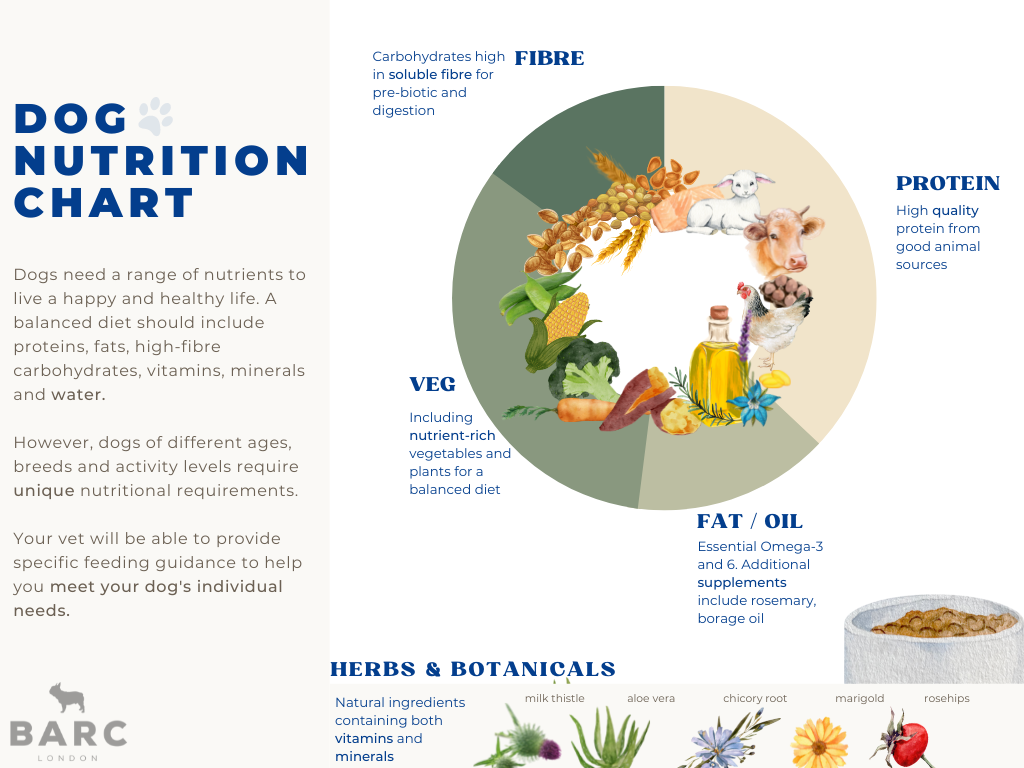
Fats are the most concentrated kind of food energy, offering your family pet with greater than twice the power of proteins or carbs. Fats are vital in the structure of cells, needed for the production of some hormonal agents, and are needed for absorption and use of certain vitamins. Fats likewise offer insulation and security for interior body organs.
Carbohydrates give energy, play a vital function in the wellness of the intestinal tract, and are crucial for recreation. While there is no minimum carbohydrate demand, there is a minimal glucose requirement needed to provide power to vital organs such as the brain. Fibers are type of carbohydrates that modify the bacterial population in the small intestinal tract, which can aid handle chronic diarrhea in pet dogs.
Choosing The Right Food For Your Dog Or Cat - Animal Humane Society Fundamentals Explained
Most vitamins can not be synthesized in the body, and as a result are necessary to get in the diet regimen. Please note that when feeding your pet a complete and balanced diet plan, it is unnecessary to give a vitamin supplement unless a specific vitamin shortage is diagnosed by a veterinarian. Because of over supplements, poisoning because of excess vitamins (hypervitaminosis) is much more usual these days than vitamin shortage (hypovitaminosis).
Excess vitamin D might lead to extremely dense bones, soft tissue calcification and kidney failure. Minerals are nutrients that can not be synthesized by pets and need to be supplied in the diet plan. In general, minerals are crucial as architectural components of bones and teeth, for preserving liquid balance and for their participation in numerous metabolic reactions.
Nutrition - Natural Approaches To Feeding - Vca Animal Hospitals Things To Know Before You Get This
This procedure of progressively minimizing a puppy's dependency on his mommy's milk, known as weaning, should typically begin between 3 and 4 weeks of age and is ideally completely by the time the pup is seven to eight weeks. Puppies receive total nourishment from their mother's milk for the first 4 weeks of life, so there is no need to feed them anything during that time.
If you locate yourself in this situation, call your vet for item and feeding suggestions. After that time, it's ideal to allow weaning be a progressive procedure that takes place over numerous weeks. This enables the mother pet to slowly dry out up her milk supply and puppies need time to find out essential behaviors from their mom and littermates, consisting of exactly how to analyze indicators of prominence, hinder their very own biting routines and submit to even more dominant dogs.
While separated, introduce the pups to eating from a pan. The quantity of food, the regularity and size of splitting up can gradually be enhanced.
A pampered small dog might call for simply 10% of that, while an active pet that works out routinely outdoors might require upkeep plus 20 to 40%. You may need to adjust portions as you discover your canine's suitable "upkeep" amount. Pet owners ought to always seek advice from with their dog's vet to determine the very best feeding timetable and sorts of foods for their pet dogs.
The 7-Minute Rule for Pets And Other Animals - Cdc
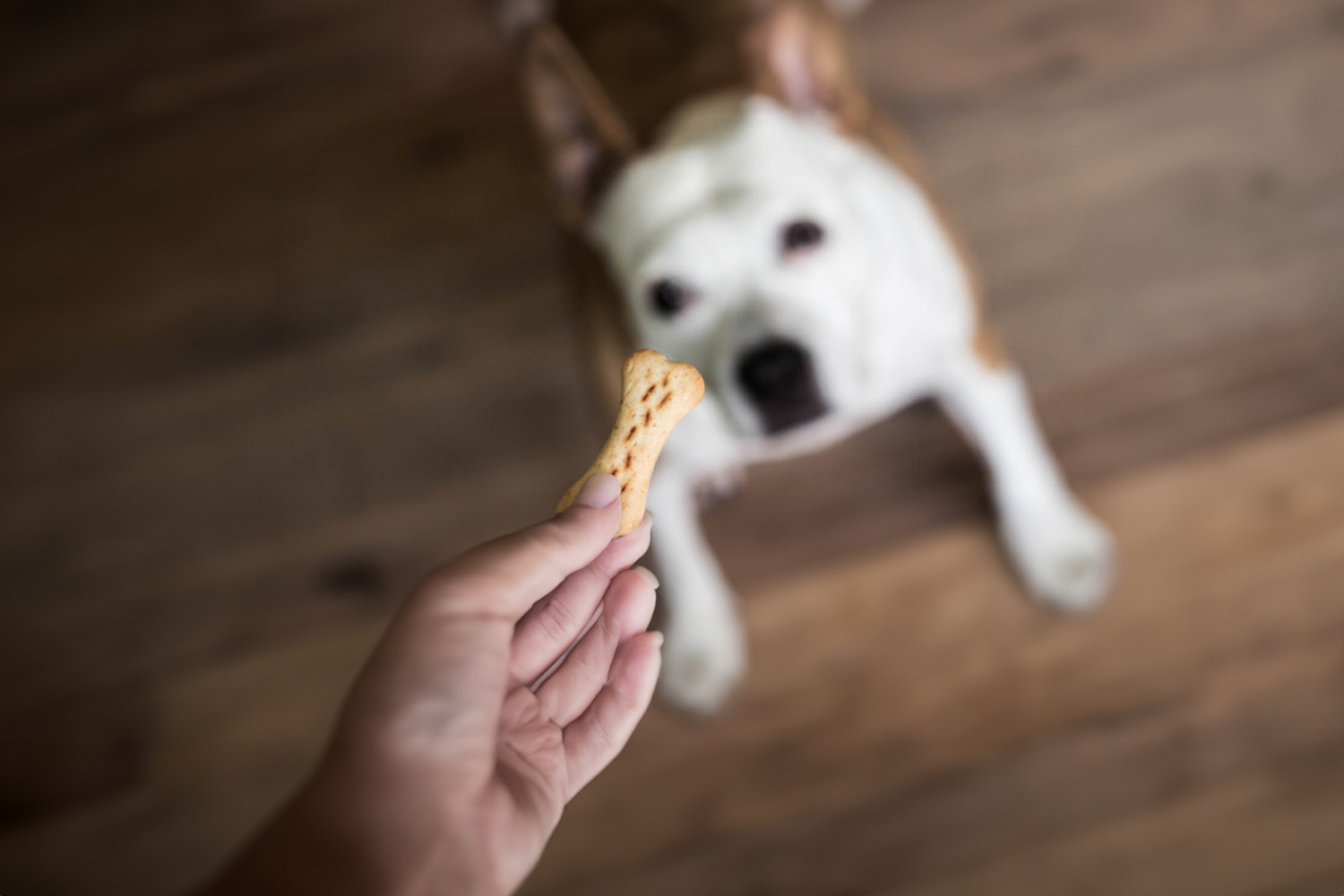
Be certain to consult your vet on your pet's post-opt nutritional requirements. Treats need to be offered in moderation and stand for 5 percent or much less of the pet dog's everyday food consumption. The rest needs to come from a nutritionally compete pet dog food. When using deals with as inspiration, such as throughout training exercises, make use of the tiniest pieces you can.
Need Professional Tree Surgery Services?
Our certified arborists are ready to help with all your tree care needs. Get expert advice and a free consultation today.
Request Free Quote